
Evidence & evaluation
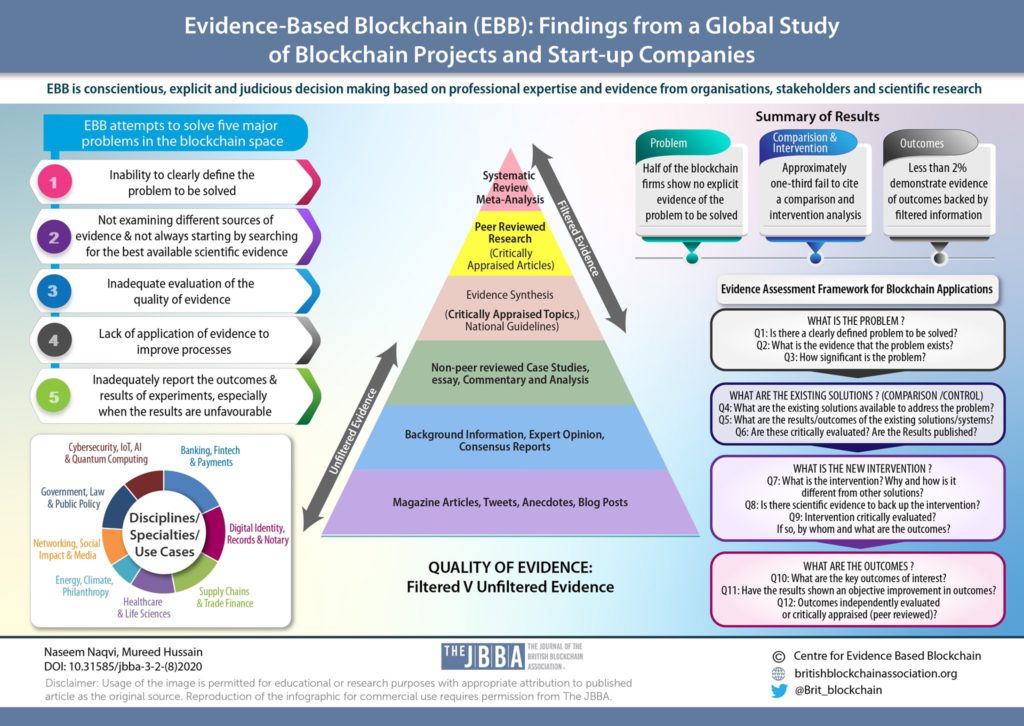
Evidence-Based Blockchain: PCIO Framework
Policy question: What evidence should support a blockchain policy or funding decision?
CEBB is the British Blockchain Association's international research community dedicated to rigorous, evidence-informed approaches to blockchain technologies, digital assets and distributed systems.
Meet CEBB members →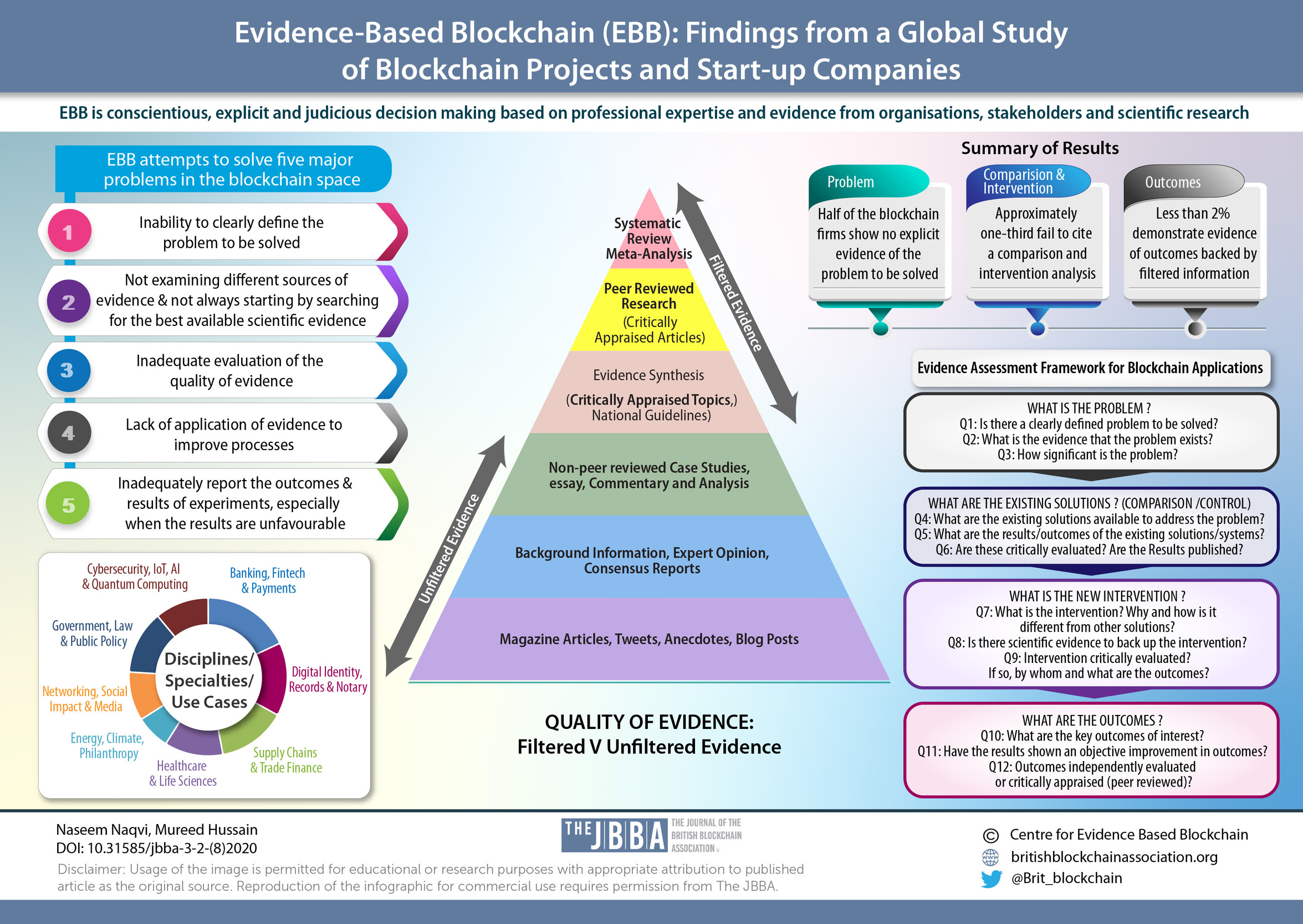
CEBB · Evidence for public policy
Explore 32 open-access infographics to help frame policy questions, scrutinise proposals and identify research relevant to public decisions. Each visual summary links to its supporting publication.
Start with the public problem, affected communities and the outcomes a proposal should deliver.
Use the infographic as an introduction. Read the study’s methods, context, findings and limitations before drawing conclusions.
Compare alternatives, consult stakeholders and define measures for evaluating a pilot before scaling it.
The policy questions below are reading prompts, not claims that a technology is suitable for every setting. Research reflects its publication date and study context.
32 infographics
Evidence & evaluation
Policy question: What evidence should support a blockchain policy or funding decision?
Technology & security
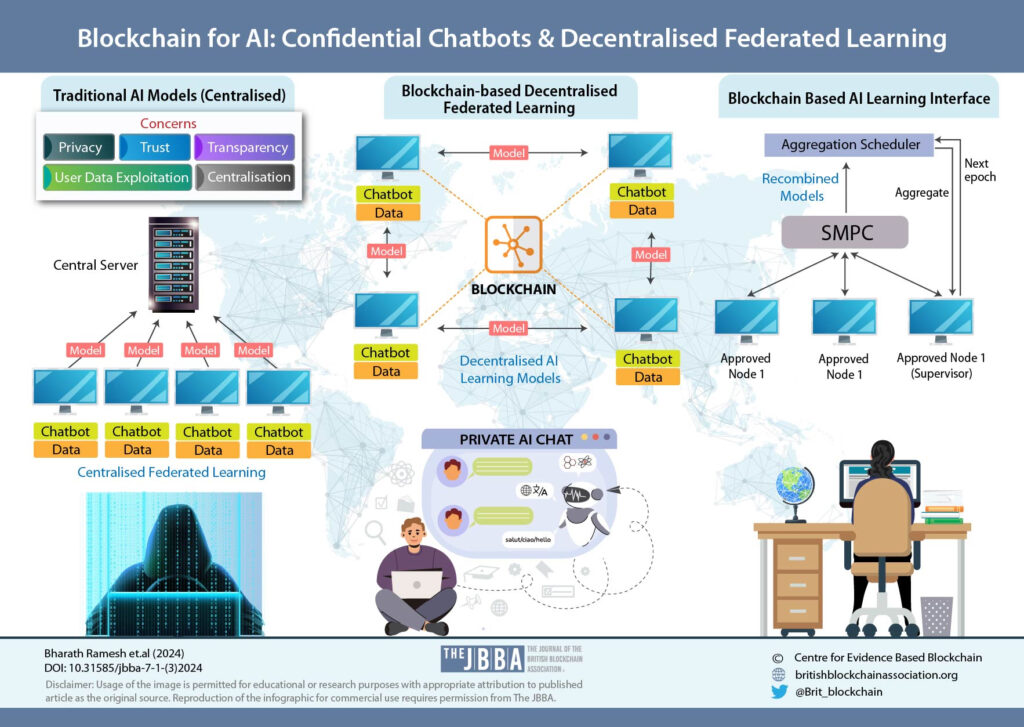
Policy question: How can privacy and governance shape public-sector AI design?
Technology & security
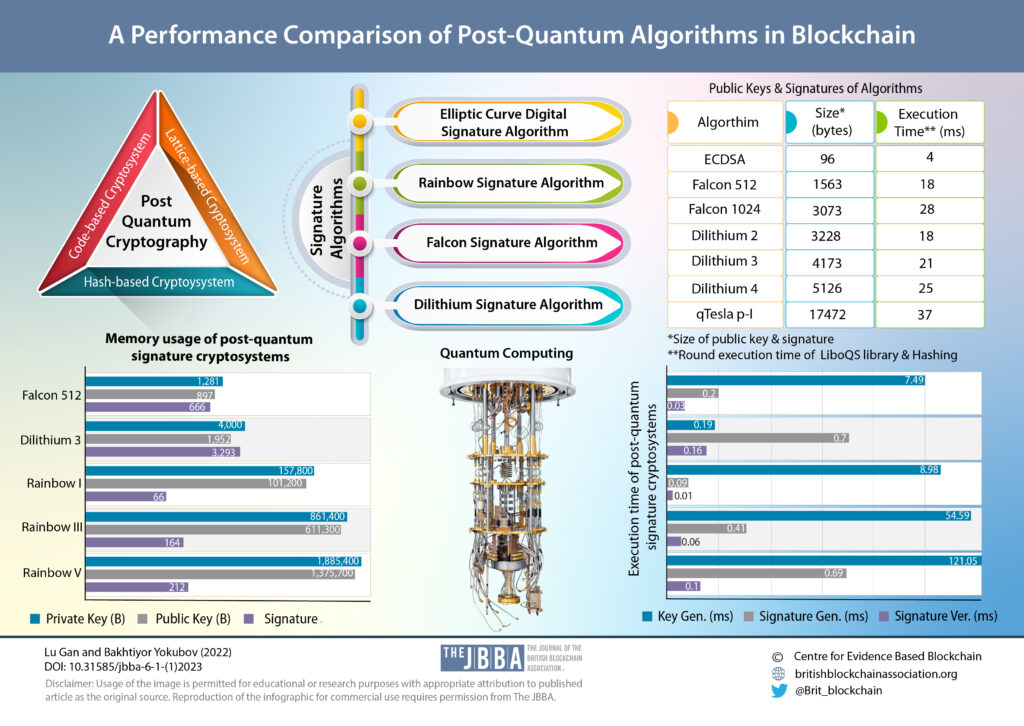
Policy question: What should long-term digital infrastructure planning consider about quantum risk?
Markets & governance
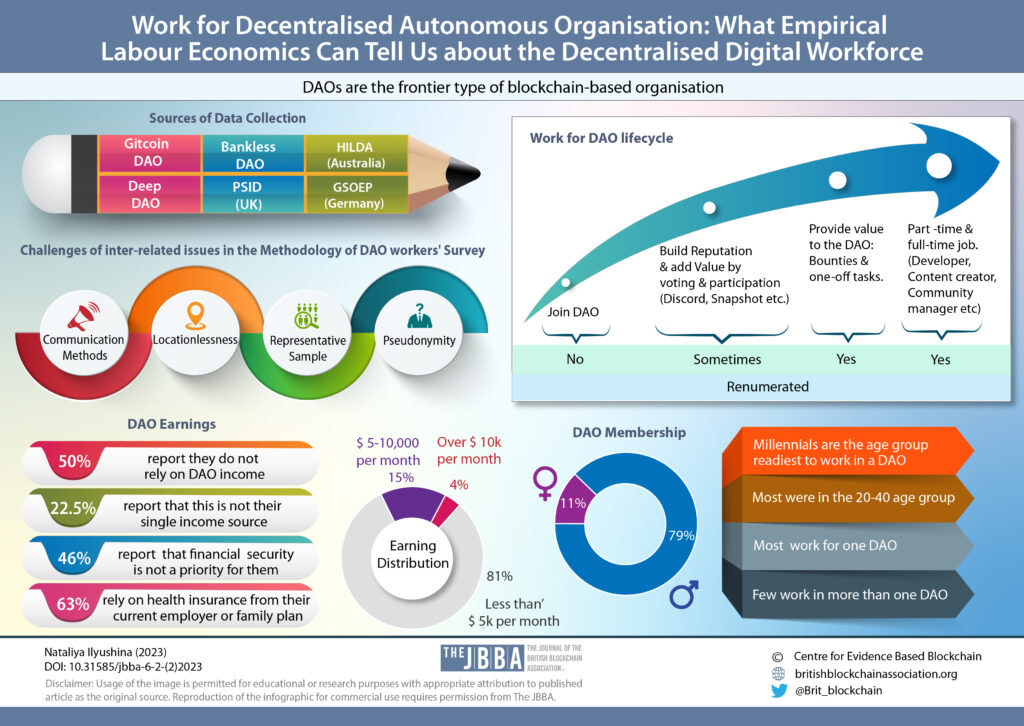
Policy question: How might decentralised organisations change work and employment policy?
Markets & governance
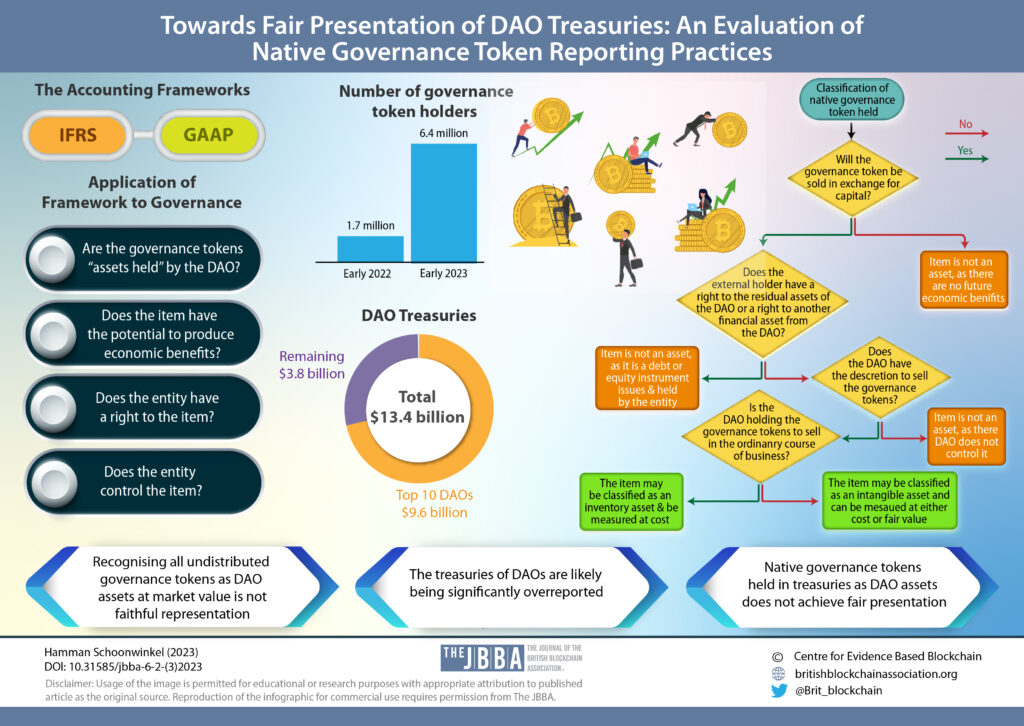
Policy question: What transparency questions should policymakers ask about DAO treasuries?
Public services
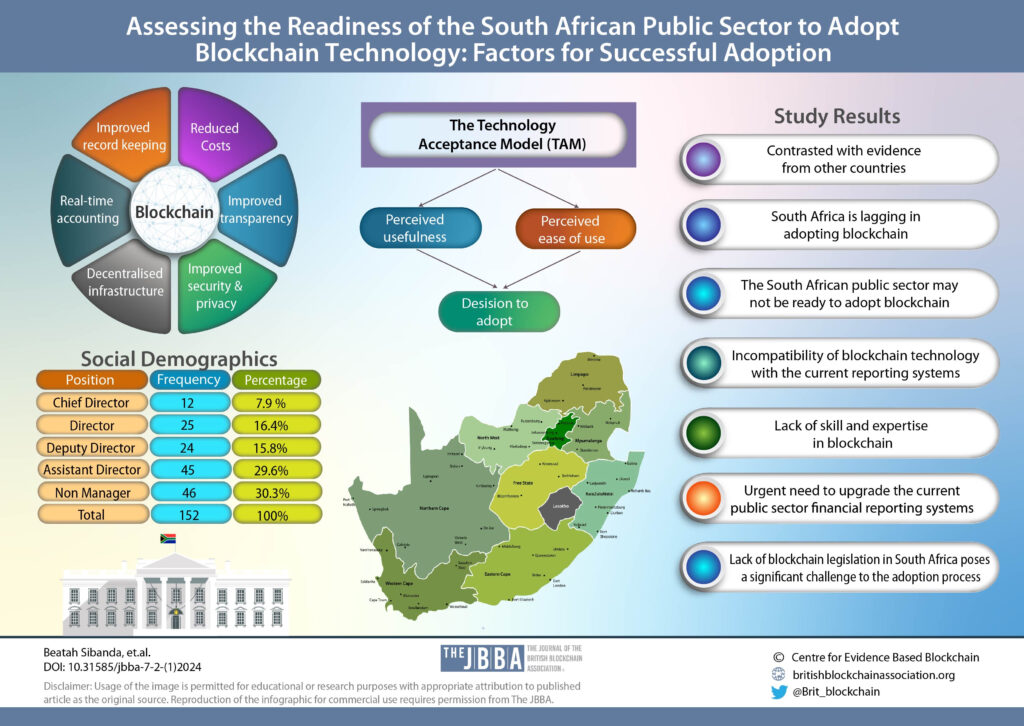
Policy question: What can adoption research from South Africa contribute to public-service planning?
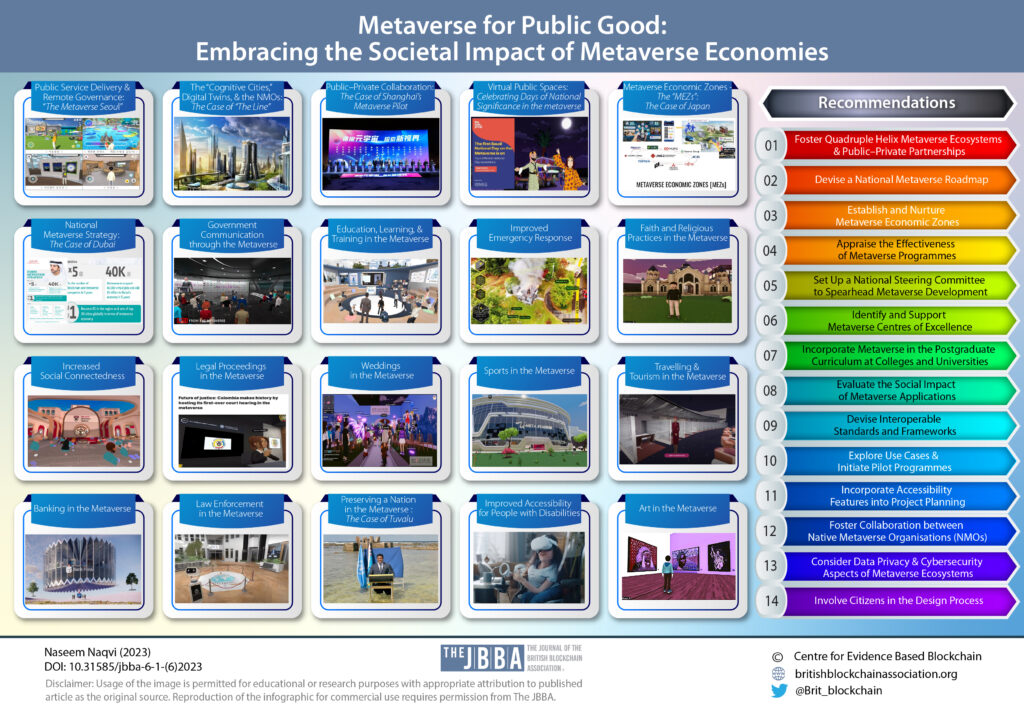
Public services
Policy question: Which public-value questions should guide a national metaverse strategy?
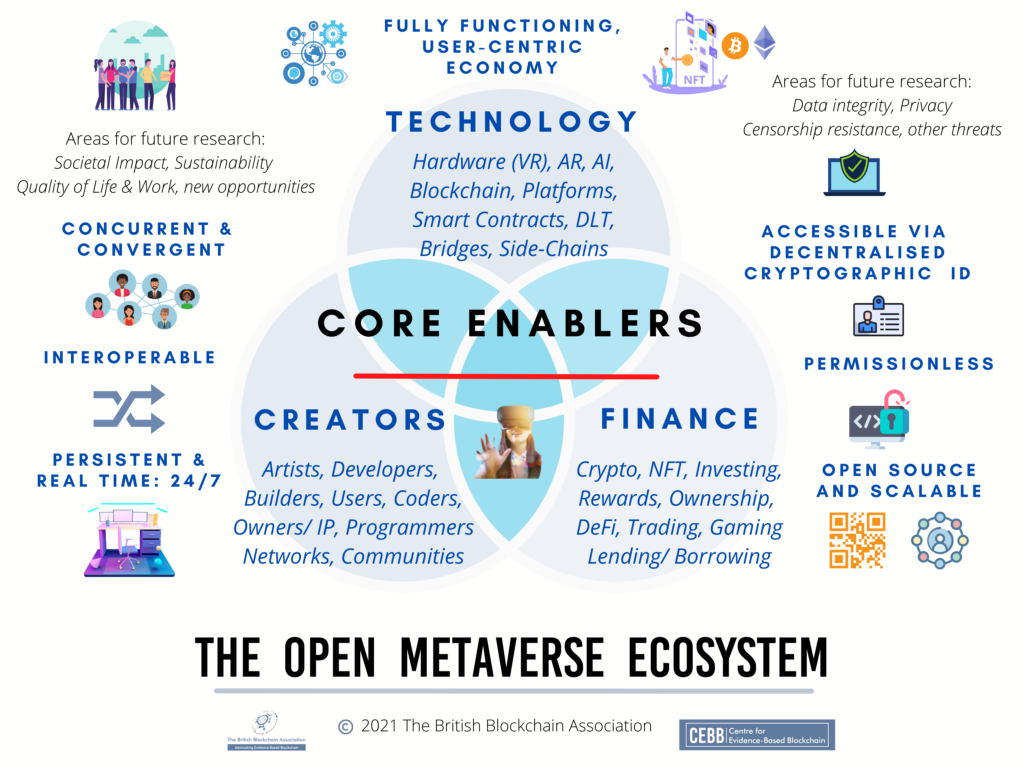
Technology & security
Policy question: Which capabilities and stakeholders make up an open metaverse ecosystem?
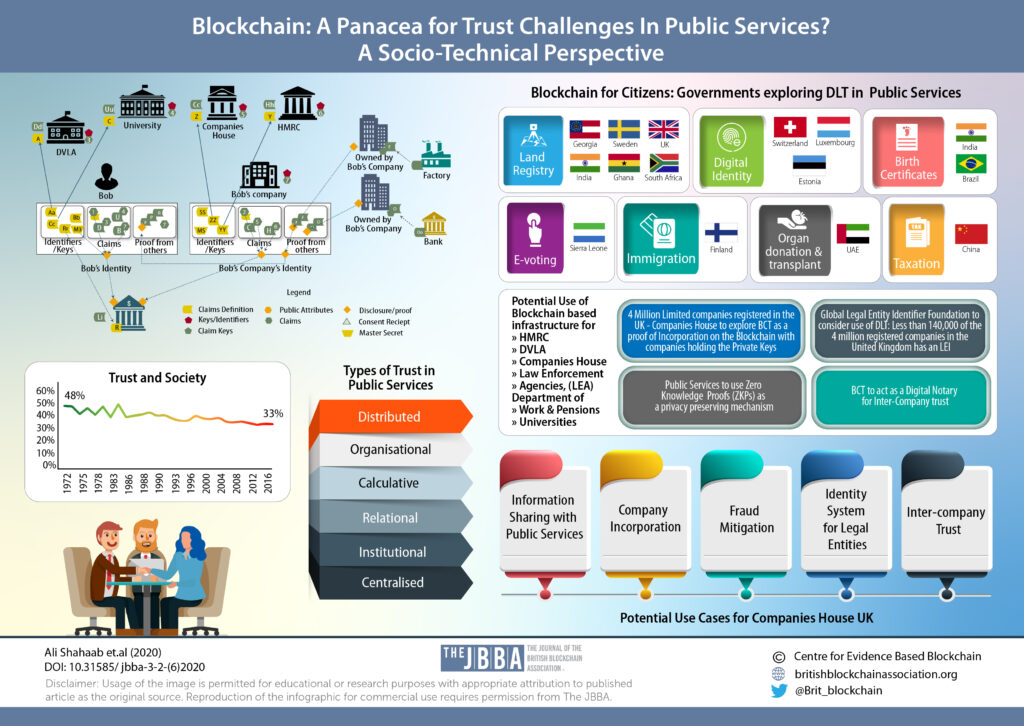
Public services
Policy question: When might blockchain address trust challenges in public services?
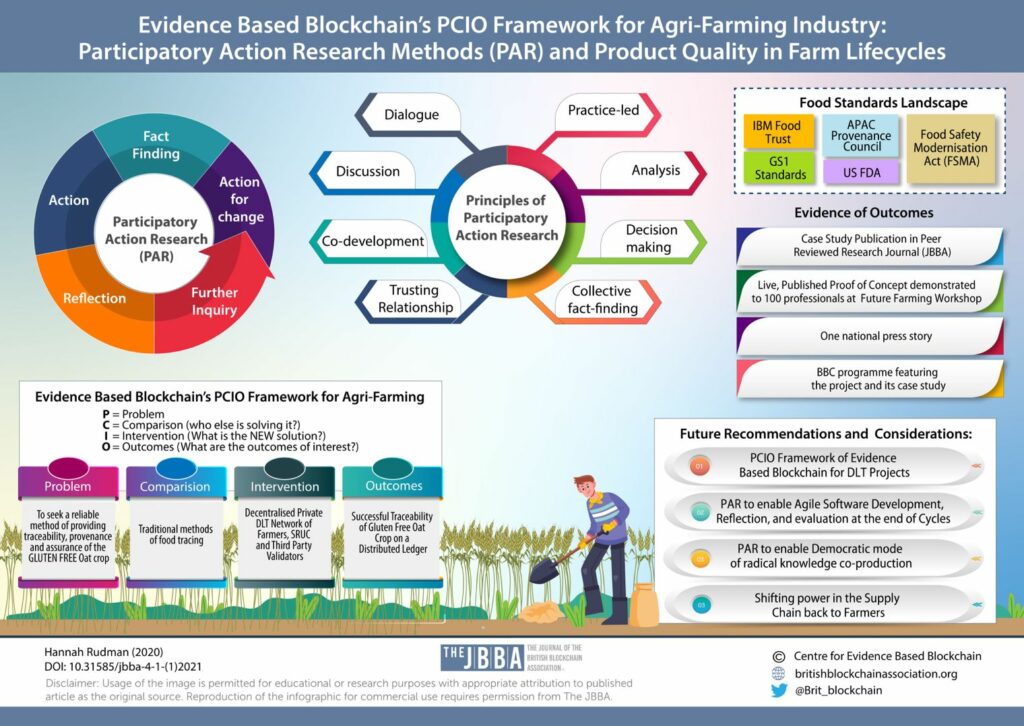
Climate & infrastructure
Policy question: How can agricultural pilots be framed around measurable outcomes?
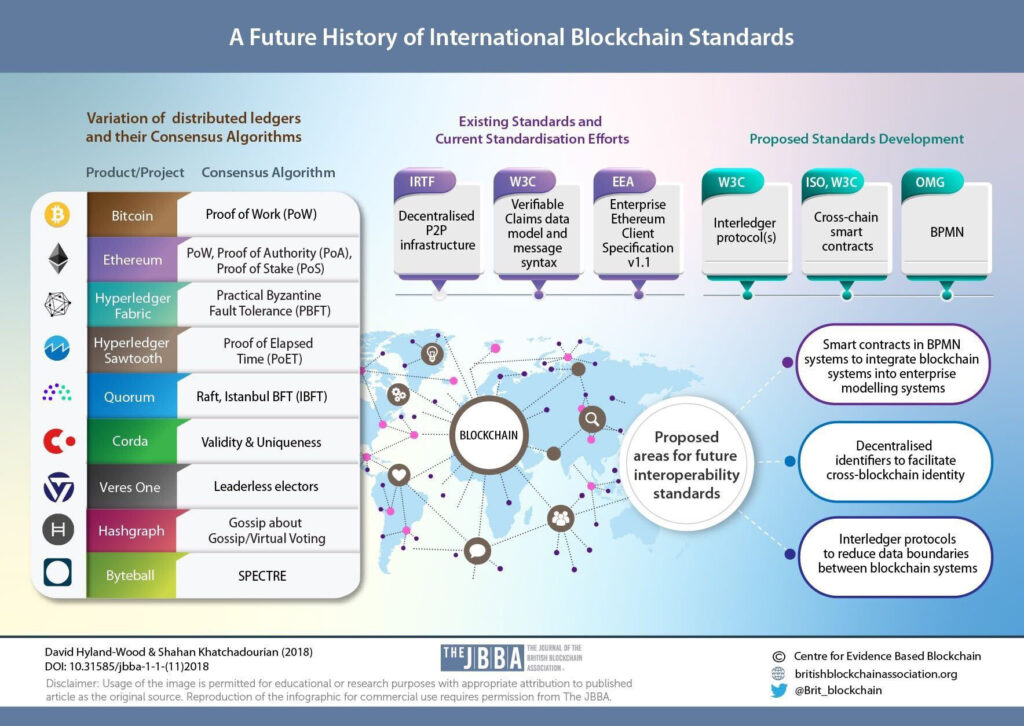
Markets & governance
Policy question: How can standards support coordination and interoperability?
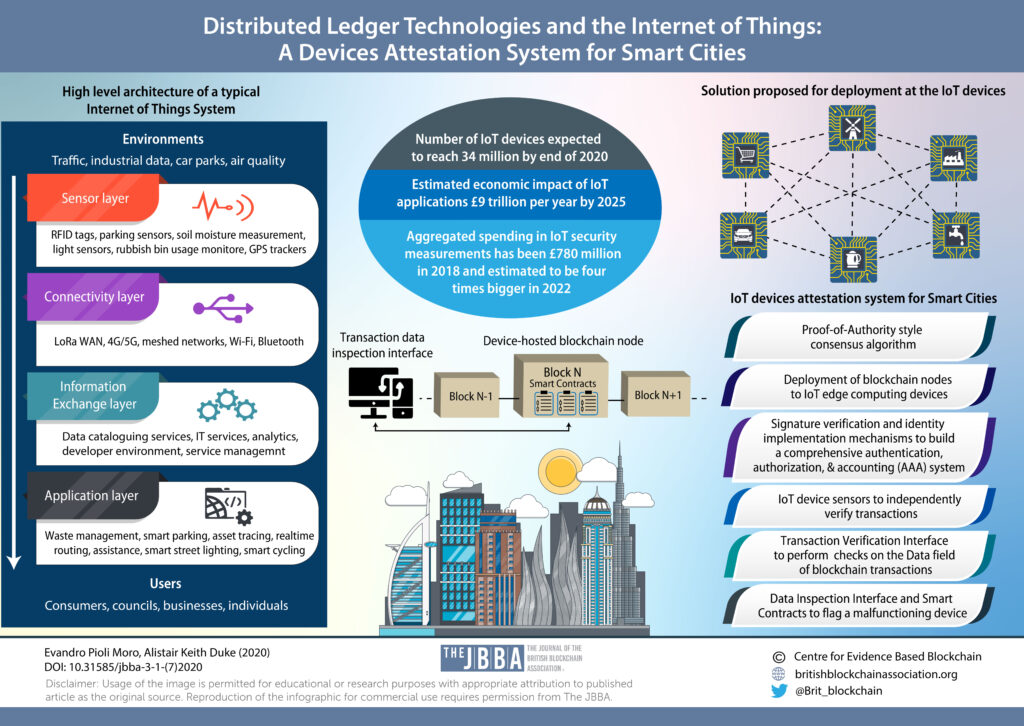
Climate & infrastructure
Policy question: What should smart-city planners examine before using distributed ledgers?
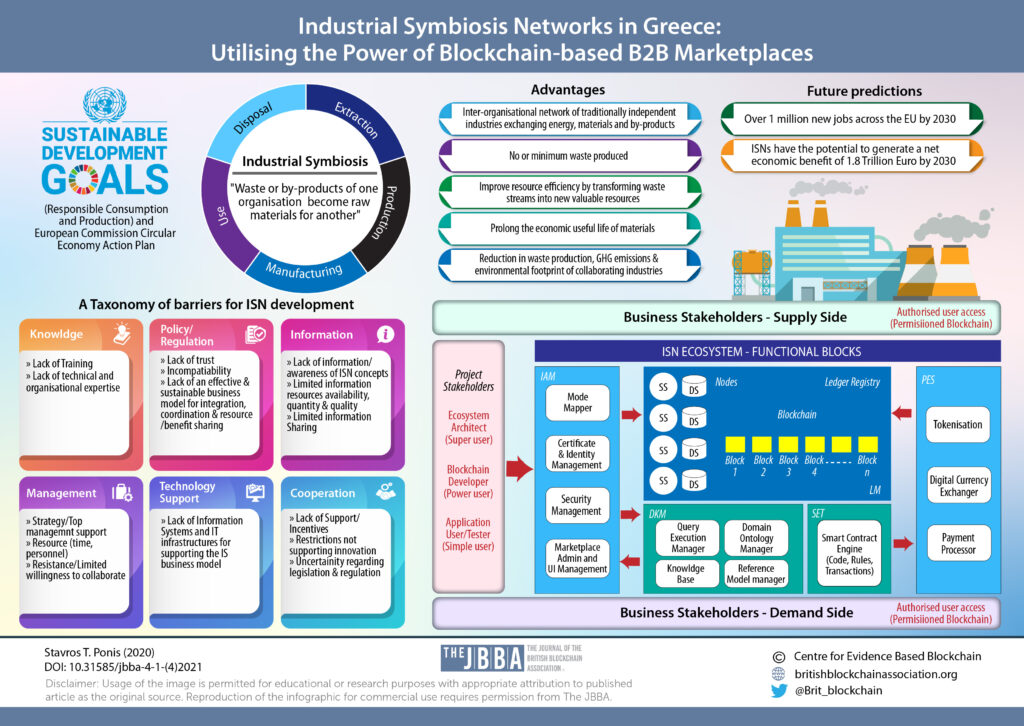
Climate & infrastructure
Policy question: How might industrial collaboration contribute to sustainability objectives?
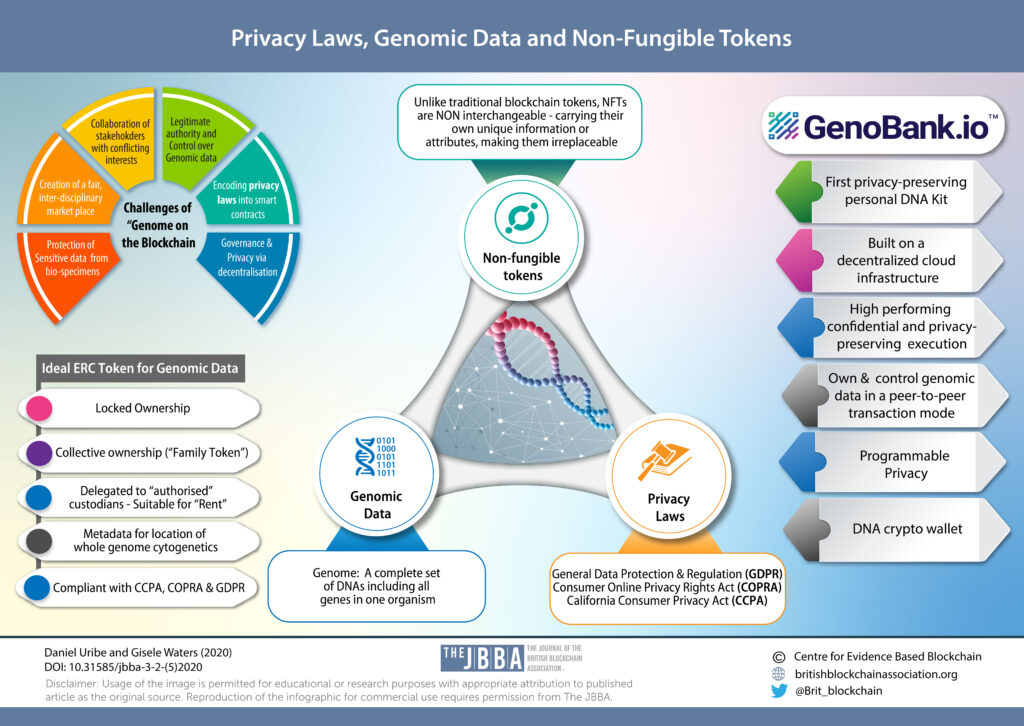
Technology & security
Policy question: What privacy and ownership questions arise when genomic data meets NFTs?
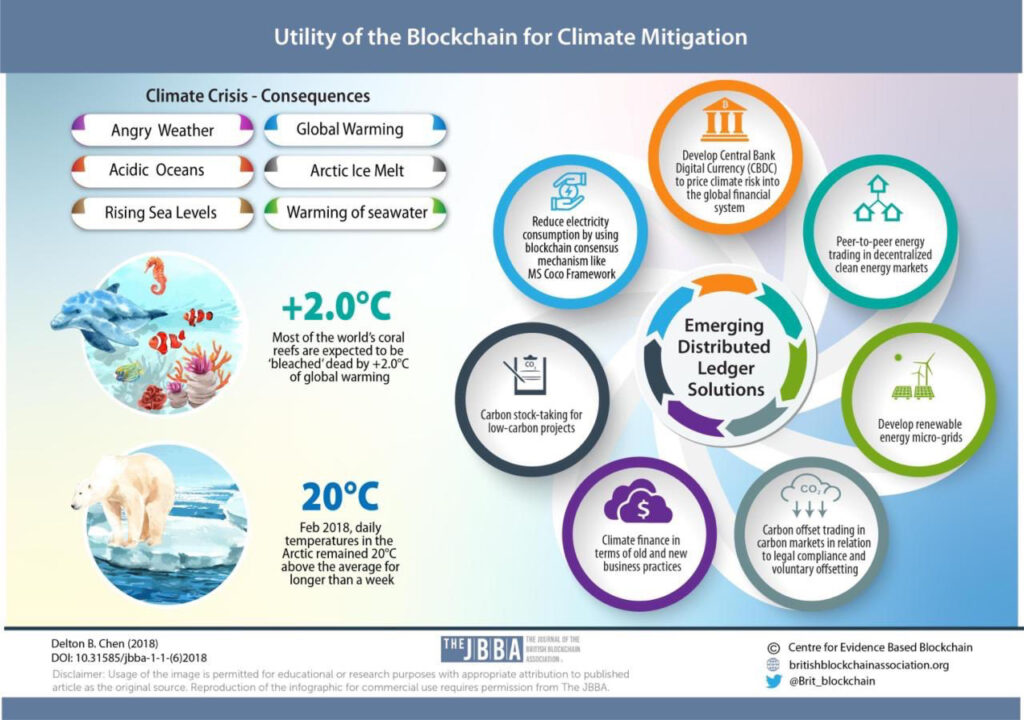
Climate & infrastructure
Policy question: Where could distributed ledgers contribute to climate-mitigation programmes?
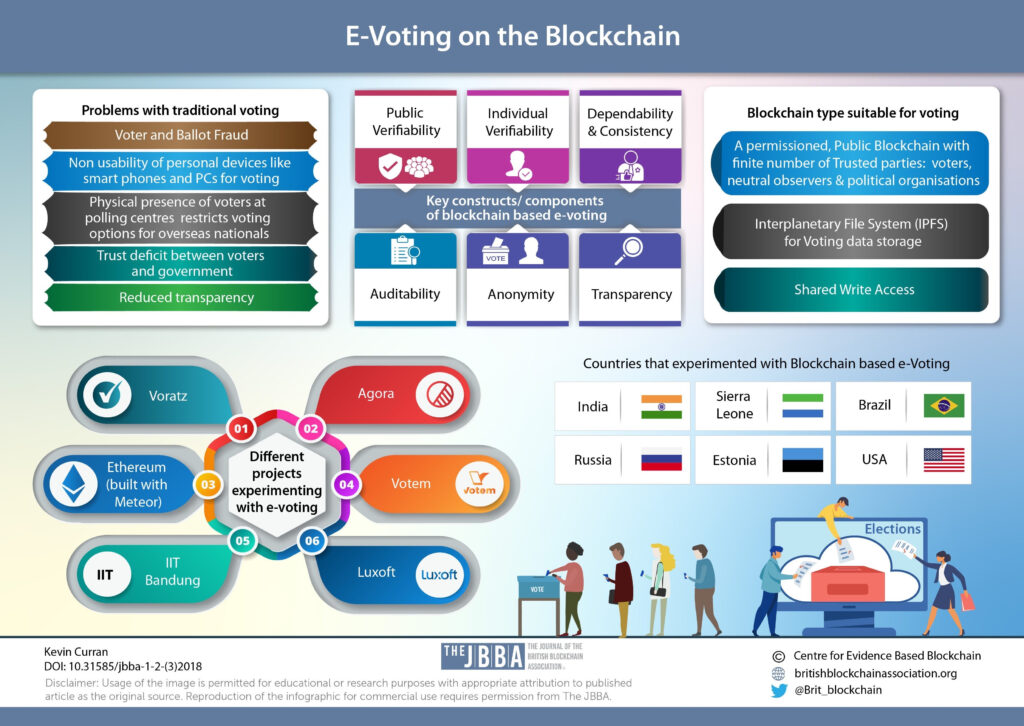
Public services
Policy question: What security, trust and governance questions matter in digital voting?
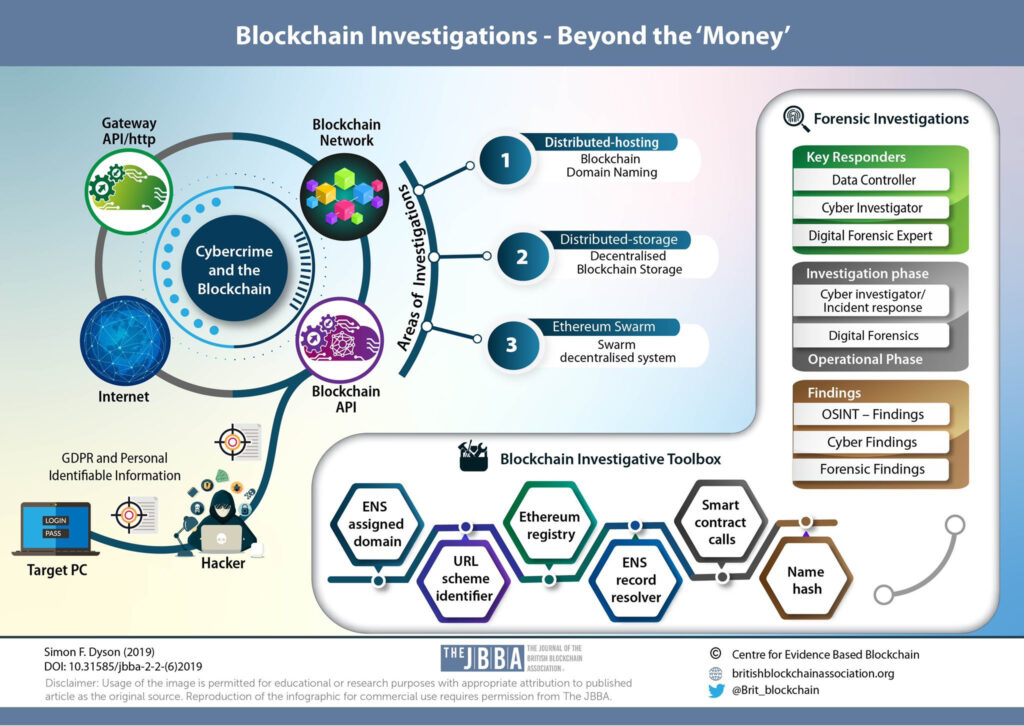
Technology & security
Policy question: Which analytical tools can support blockchain investigations?
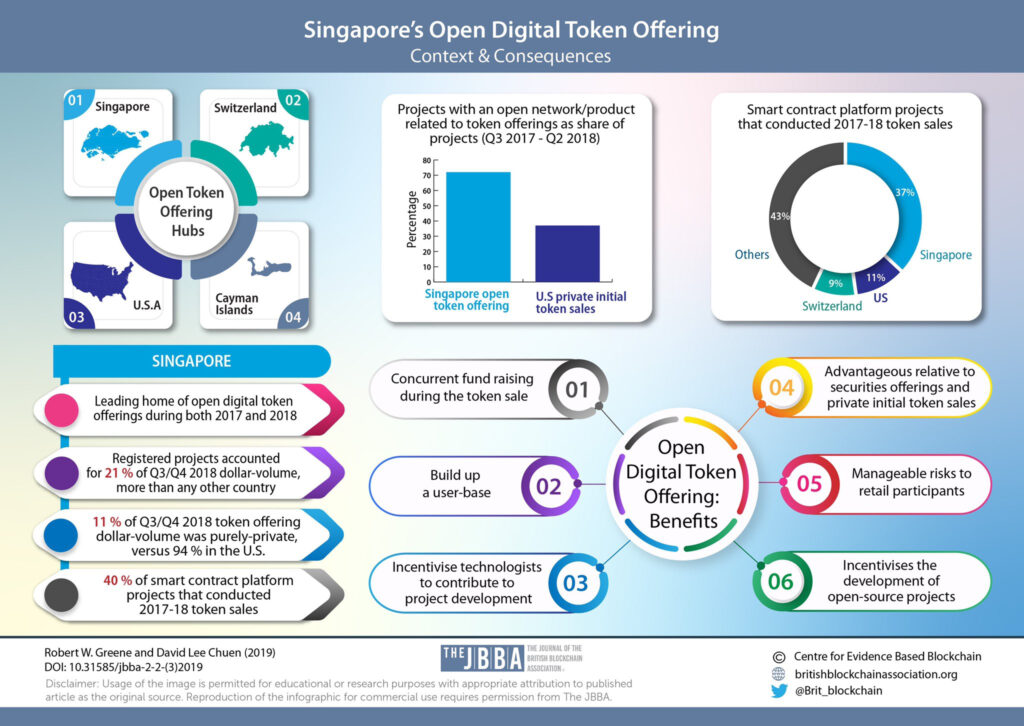
Markets & governance
Policy question: What lessons can token-offering policy draw from Singapore’s experience?
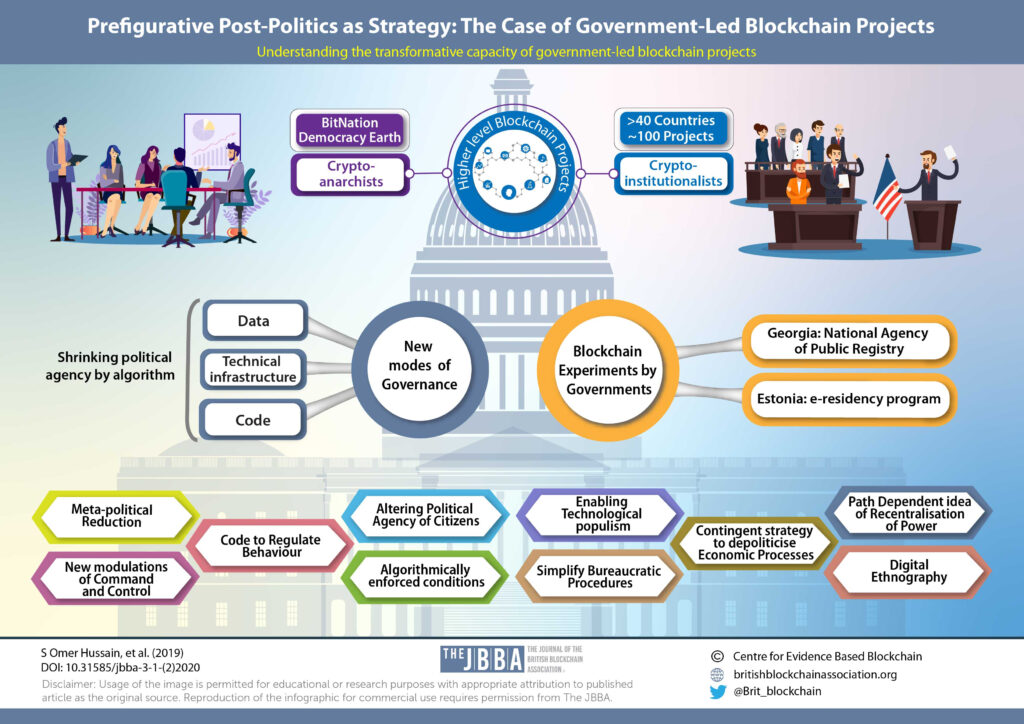
Public services
Policy question: How should government-led blockchain initiatives be assessed?
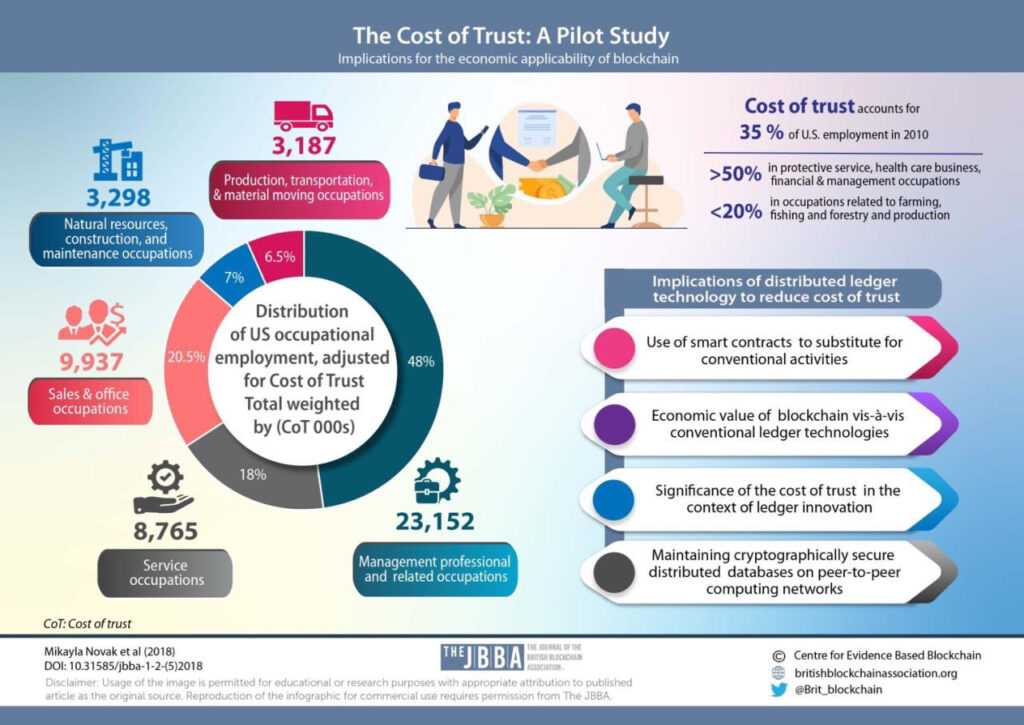
Evidence & evaluation
Policy question: How can the costs of establishing trust inform an options appraisal?
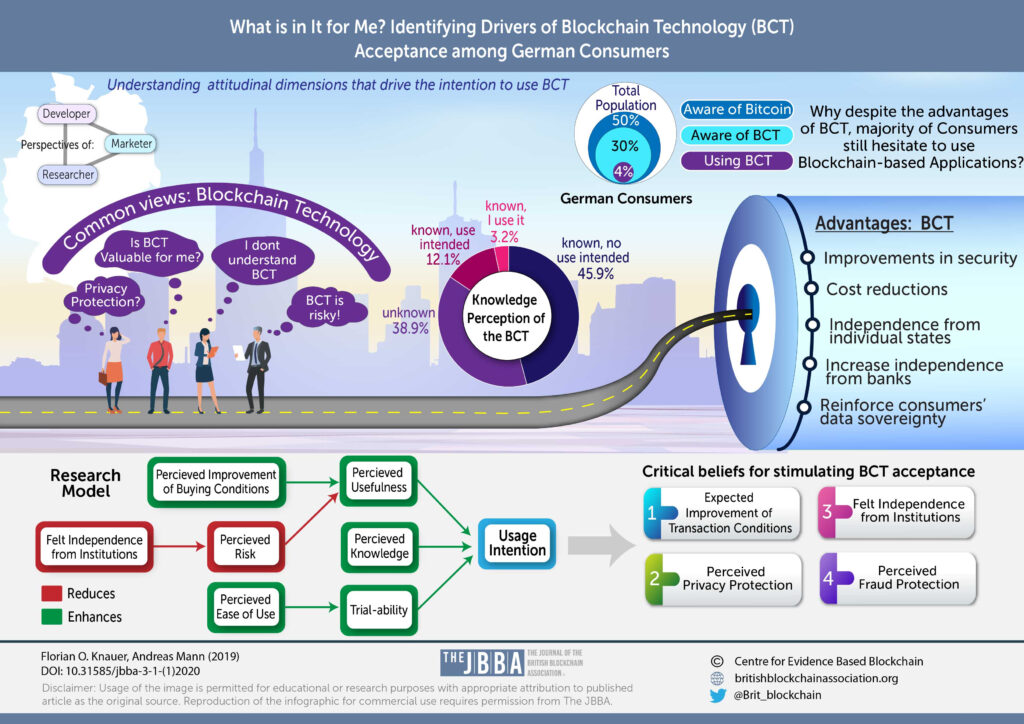
Evidence & evaluation
Policy question: Which factors influence citizens’ willingness to adopt blockchain?
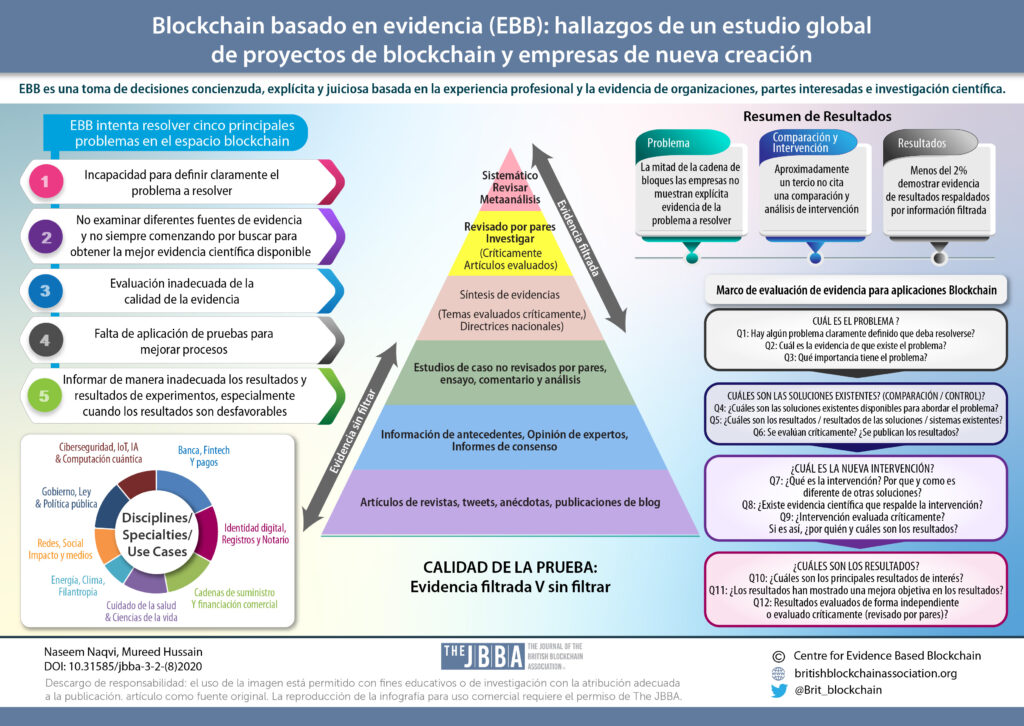
Evidence & evaluation
Policy question: How can Spanish-speaking teams apply an evidence-based decision framework?
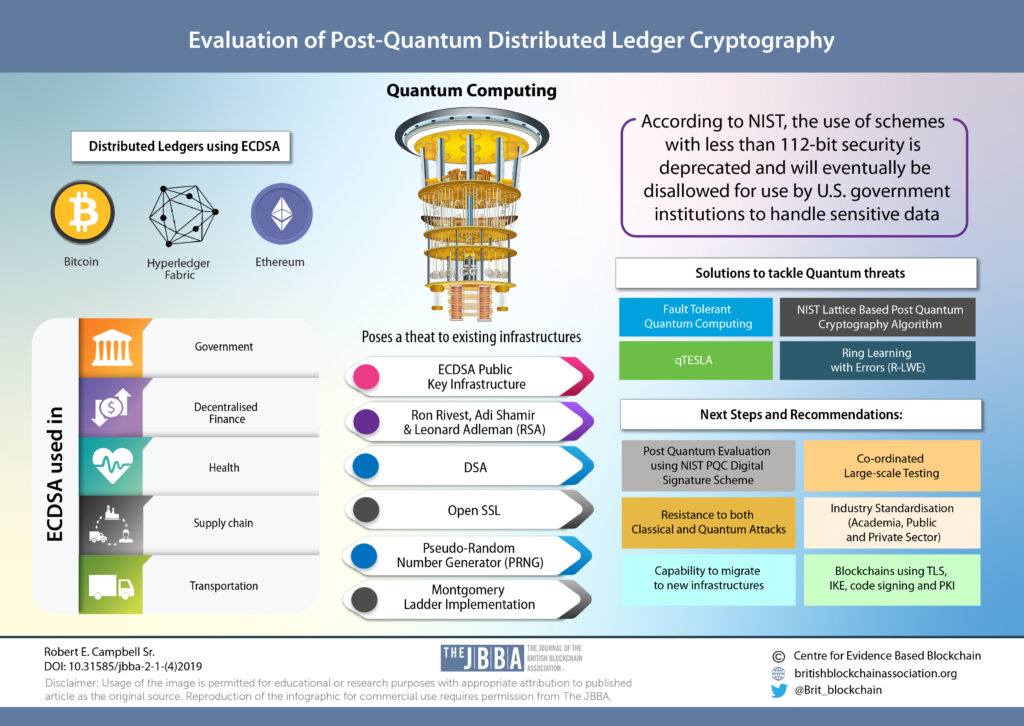
Technology & security
Policy question: How should cryptographic resilience feature in technology procurement?
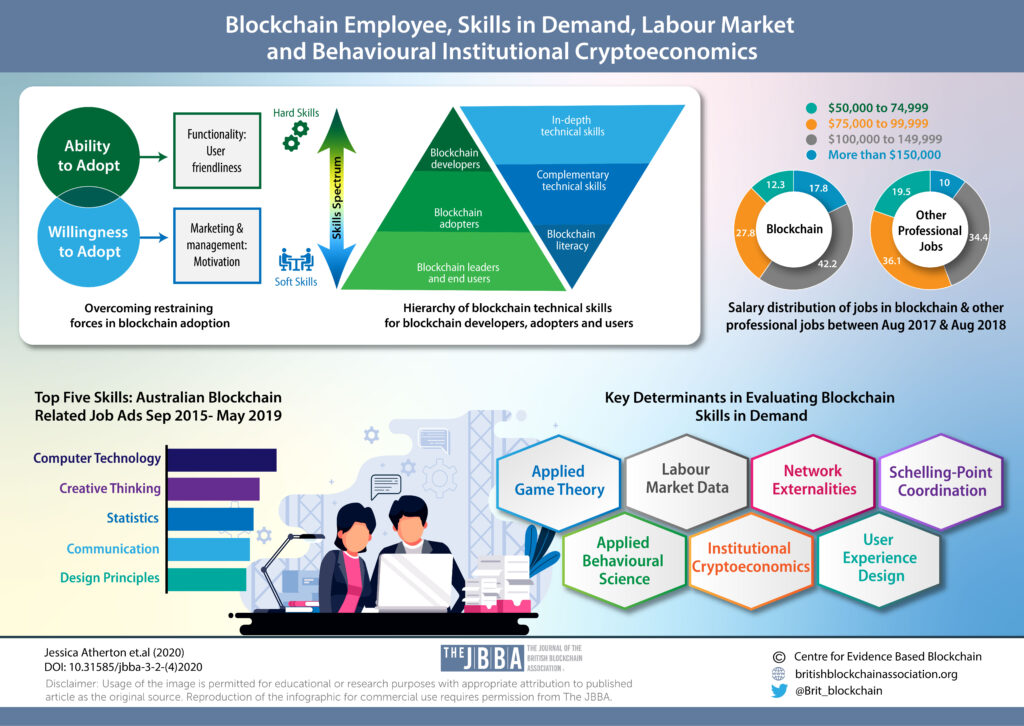
Skills & economy
Policy question: Which skills should workforce and education strategies consider?
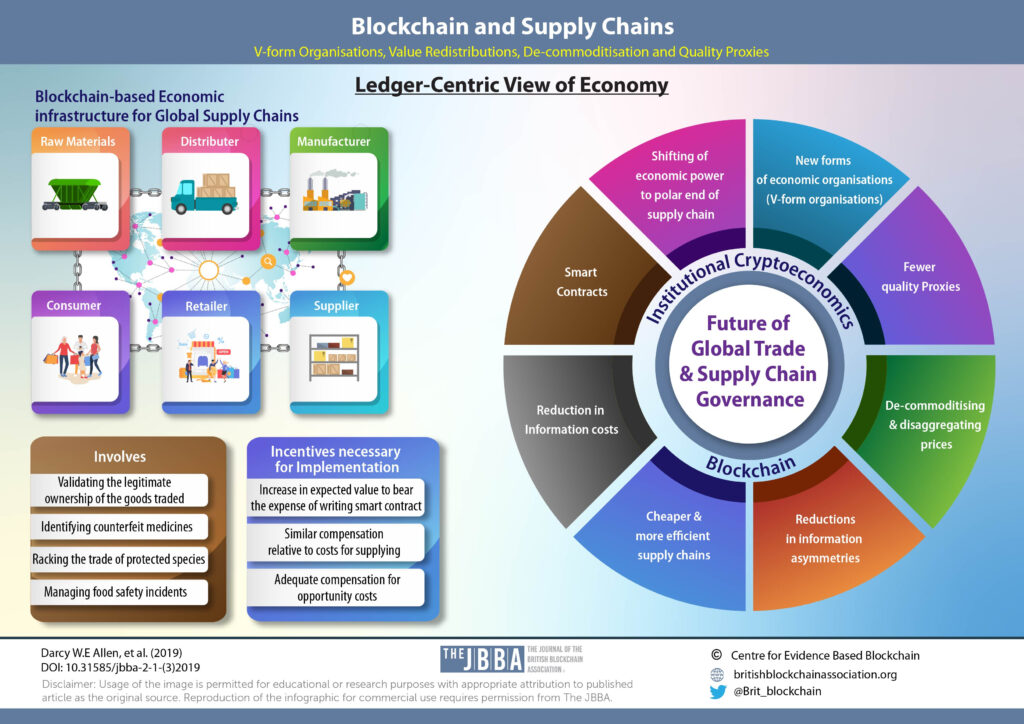
Climate & infrastructure
Policy question: What institutional changes might distributed ledgers bring to supply chains?
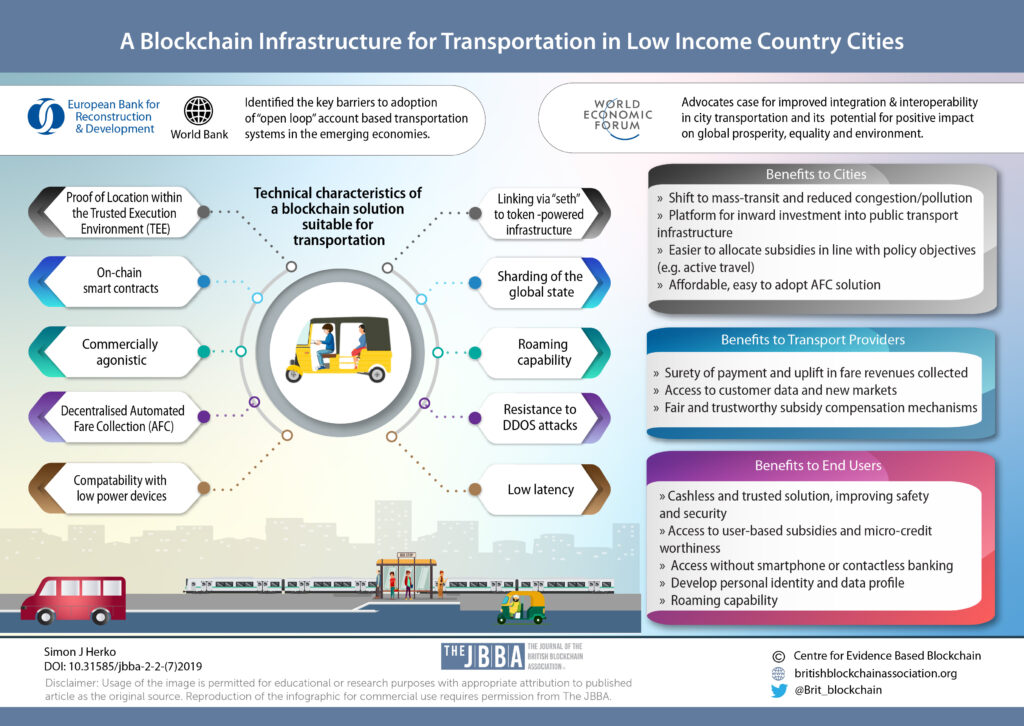
Climate & infrastructure
Policy question: What questions matter for transport infrastructure in lower-income cities?
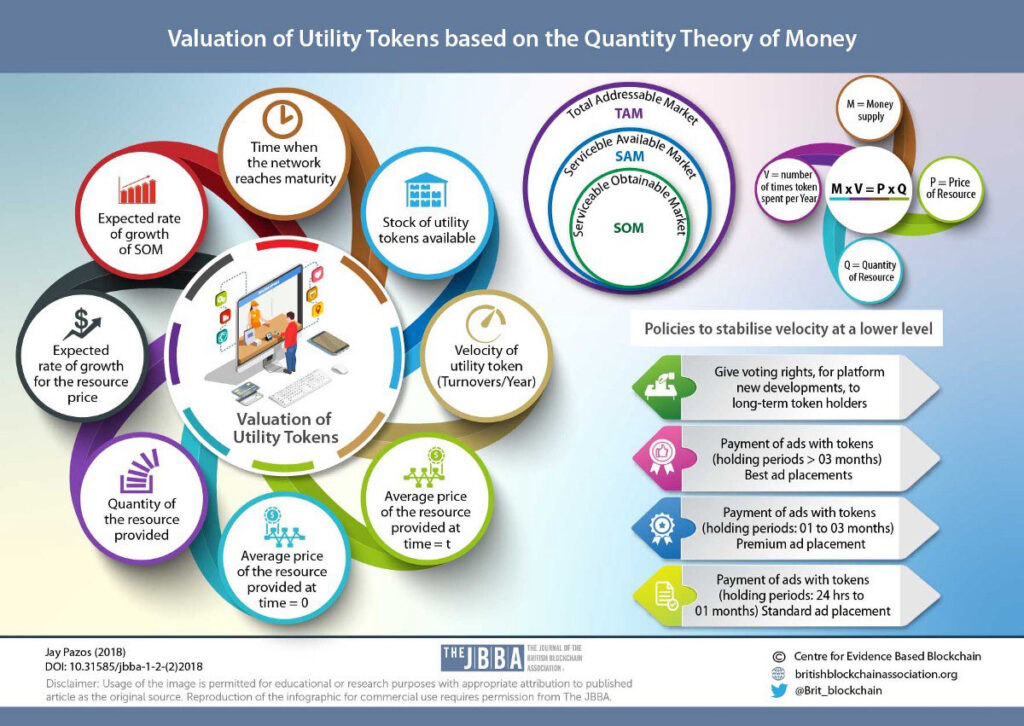
Markets & governance
Policy question: How can token-valuation research inform understanding of digital markets?
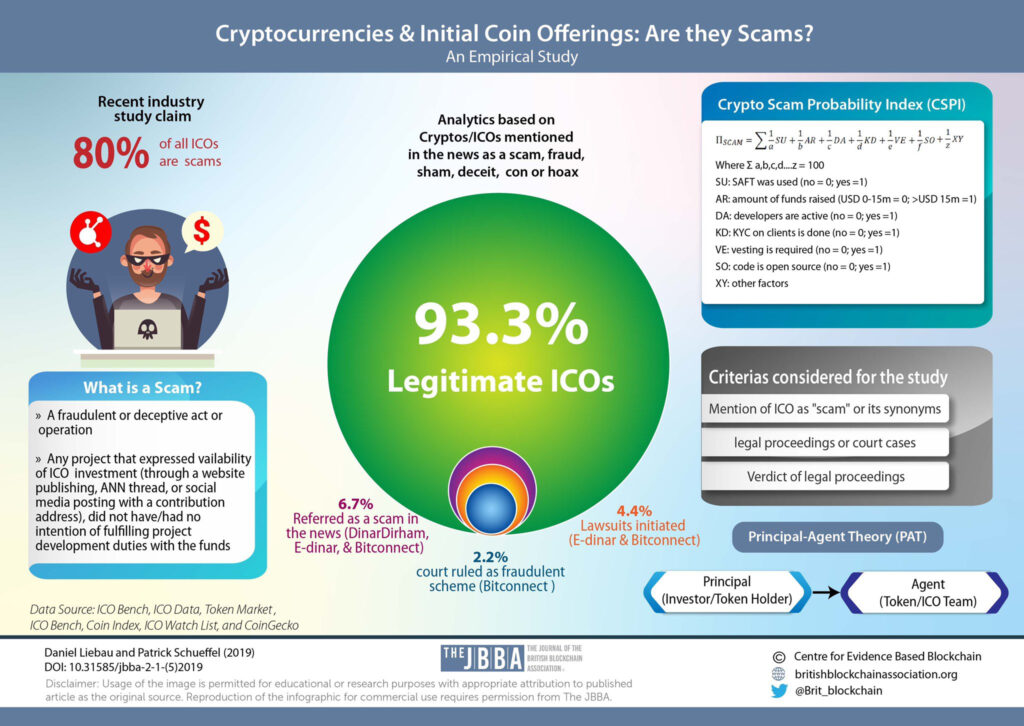
Markets & governance
Policy question: What evidence can inform scrutiny of token offerings and investor risks?
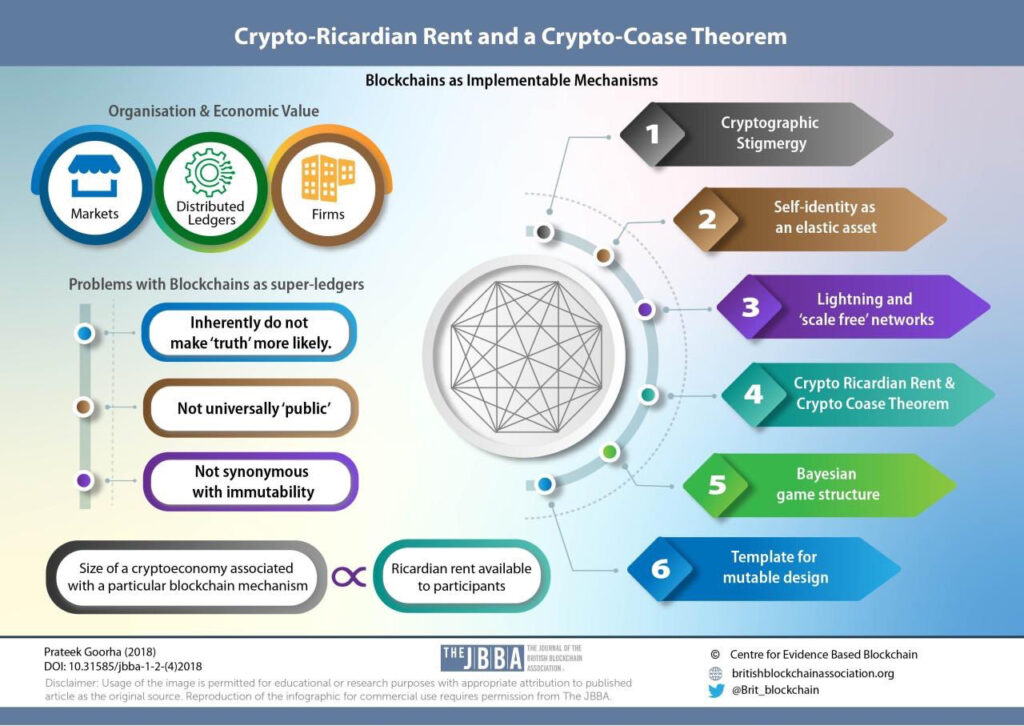
Skills & economy
Policy question: How do blockchain incentives relate to economic coordination?
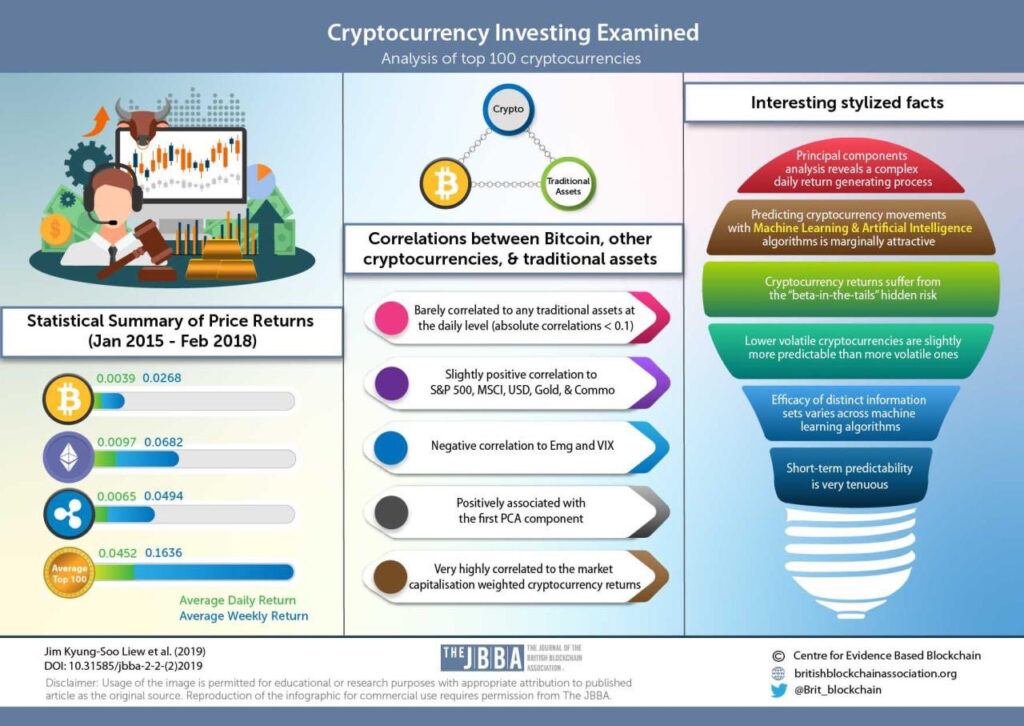
Markets & governance
Policy question: What should regulators examine about AI-assisted cryptocurrency investing?
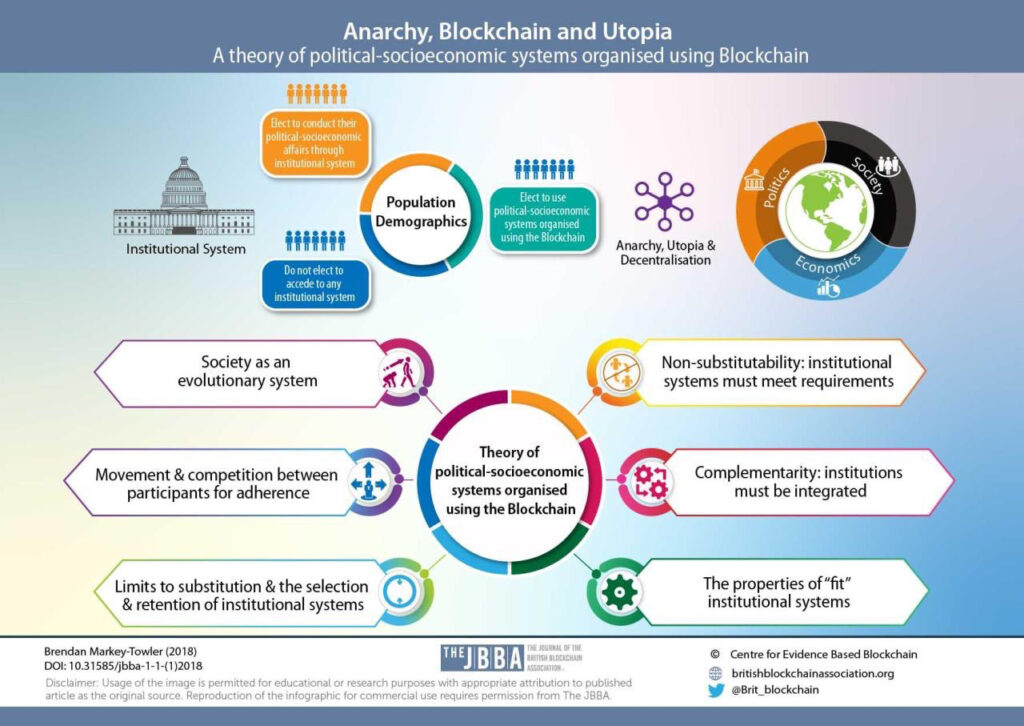
Skills & economy
Policy question: How might blockchain affect institutions and political-economic relationships?
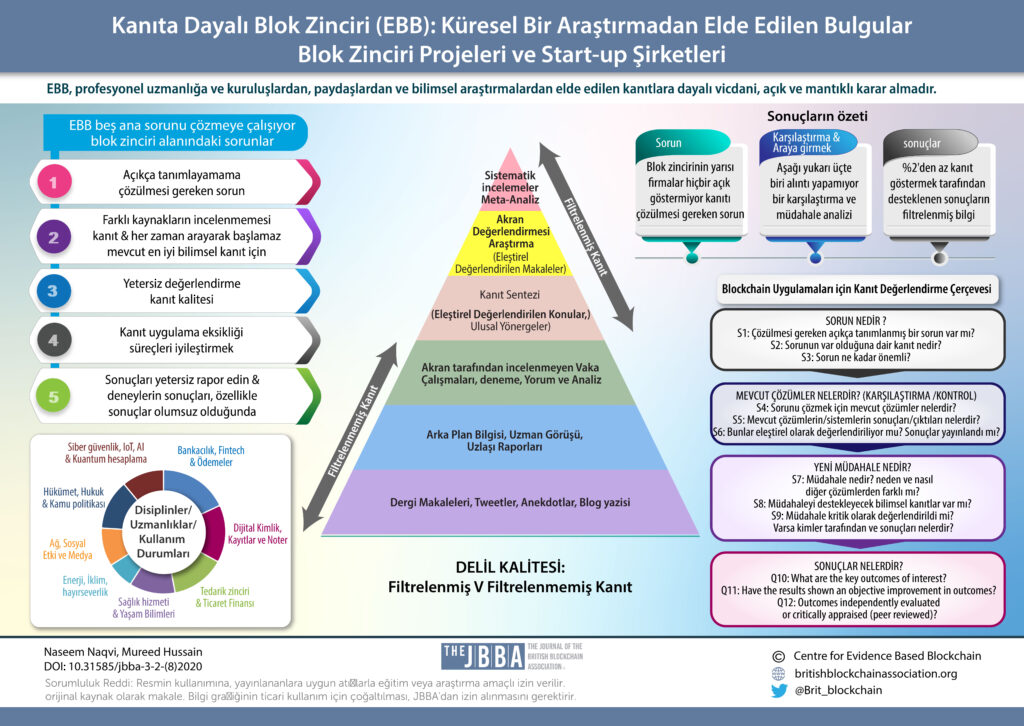
Evidence & evaluation
Policy question: How can Turkish-speaking teams apply an evidence-based decision framework?
Discuss a policy challenge, research question or potential collaboration with the Centre for Evidence-Based Blockchain.
Contact CEBB →OUR PURPOSE
The Centre for Evidence-Based Blockchain brings together researchers, practitioners and institutions who share a commitment to evaluating blockchain technologies with the same seriousness expected in other evidence-informed disciplines.
Its purpose is to improve how questions are framed, how evidence is assessed and how research findings are translated into policy and practice.
PCIO FRAMEWORK · EVIDENCE-BASED BLOCKCHAIN
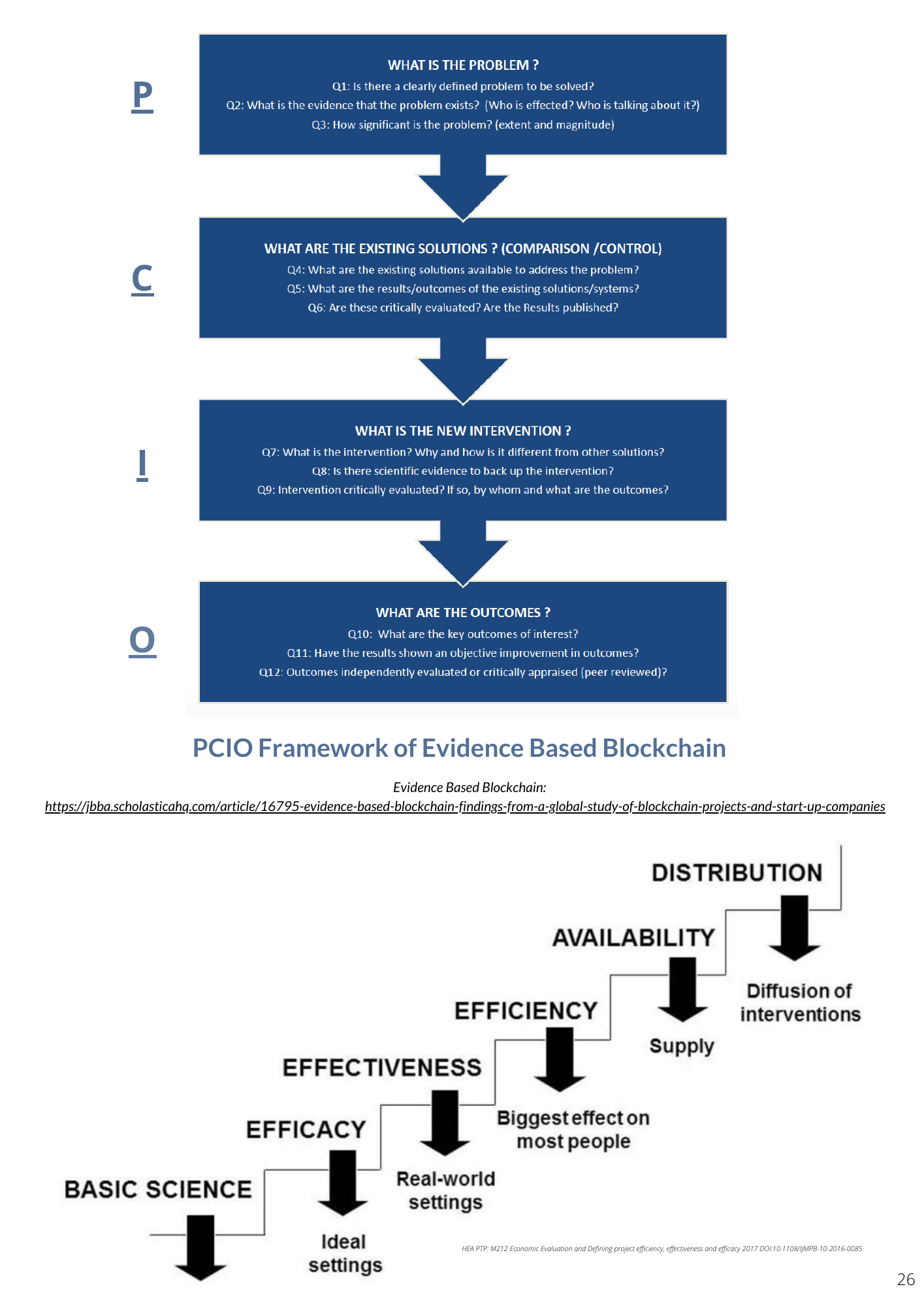
Define the problem, who it affects and the needs the decision must address.
Identify the existing approach or alternative against which blockchain will be evaluated.
Specify the blockchain intervention and how it is intended to address the problem.
Define measurable outcomes and assess the benefits, costs and effects that matter.
FROM QUESTION TO PRACTICE
PCIO structures the question. The 5A’s guide how evidence informs the decision and how its results are evaluated.
Formulate an answerable question using the PCIO Framework.
Find the best available evidence from research, organisations, stakeholders and professional expertise.
Critically evaluate the evidence for quality, relevance and limitations.
Bring the evidence together with expertise and stakeholder needs to inform the decision.
Evaluate the results and the decision-making process, and use what you learn to improve practice.
FROM THE UK’S NATIONAL BLOCKCHAIN ROADMAP · JULY 2021
The Roadmap connects PCIO with regular evaluation of blockchain programmes. It asks three distinct questions: can an intervention work, does it work in practice, and is it worth the resources it requires?
Can it work under ideal conditions?
Does it work in real-world settings?
Is it worth it, considering the outcomes and resources used?
The Roadmap calls for regular audits of the societal impact of blockchain applications. Evaluate who benefits, what changes, and whether the intervention continues to serve its intended communities.
Its impact diagram spans enterprise and industry, public policy, society and culture, government and politics, health and quality of life, the environment, academia, and international activity.
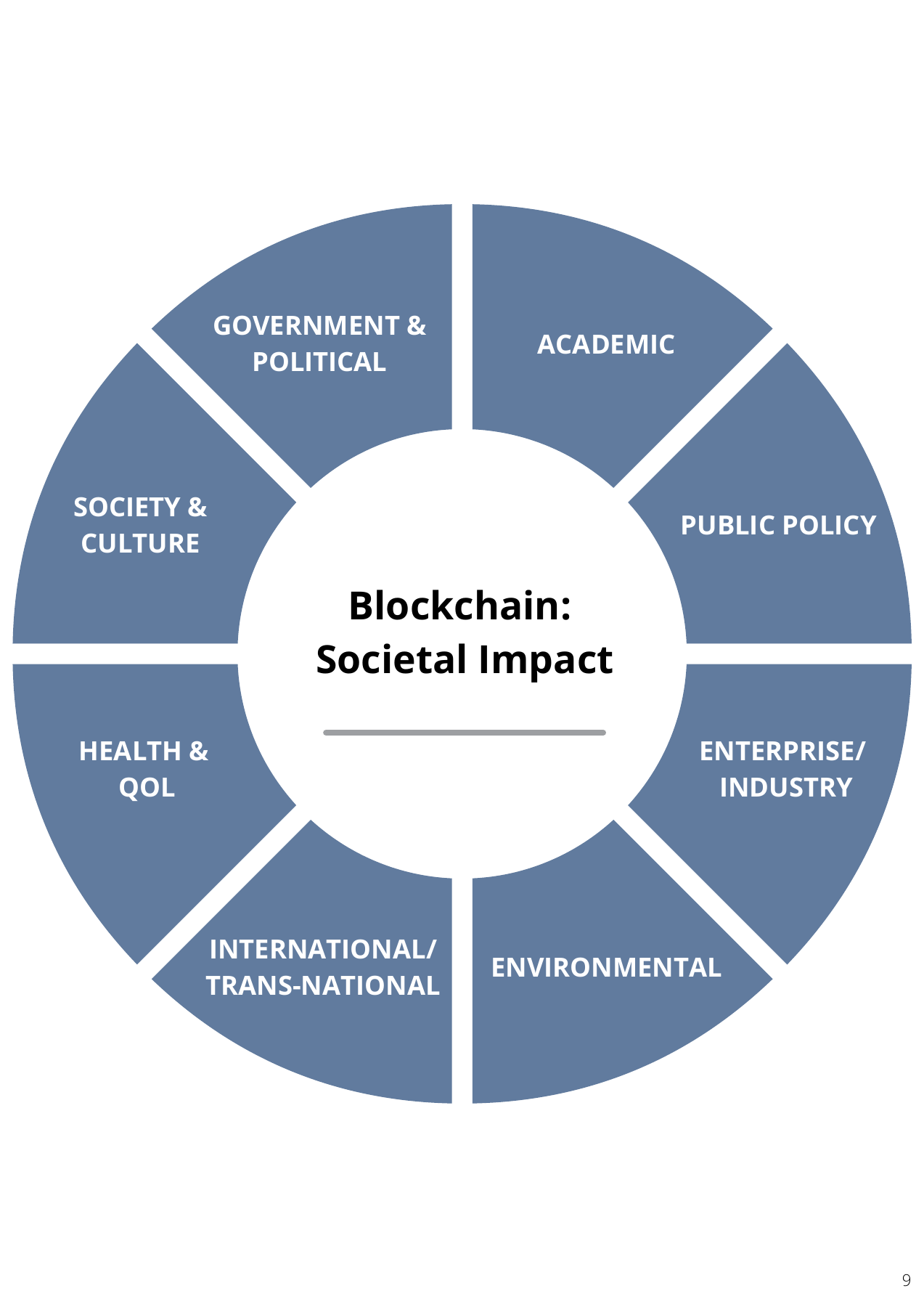
Source: BBA / CEBB, An Excellence Standards Framework for the UK’s National Blockchain Roadmap (Vision 2030), July 2021. Original figure credits are retained in the reproduced pages.
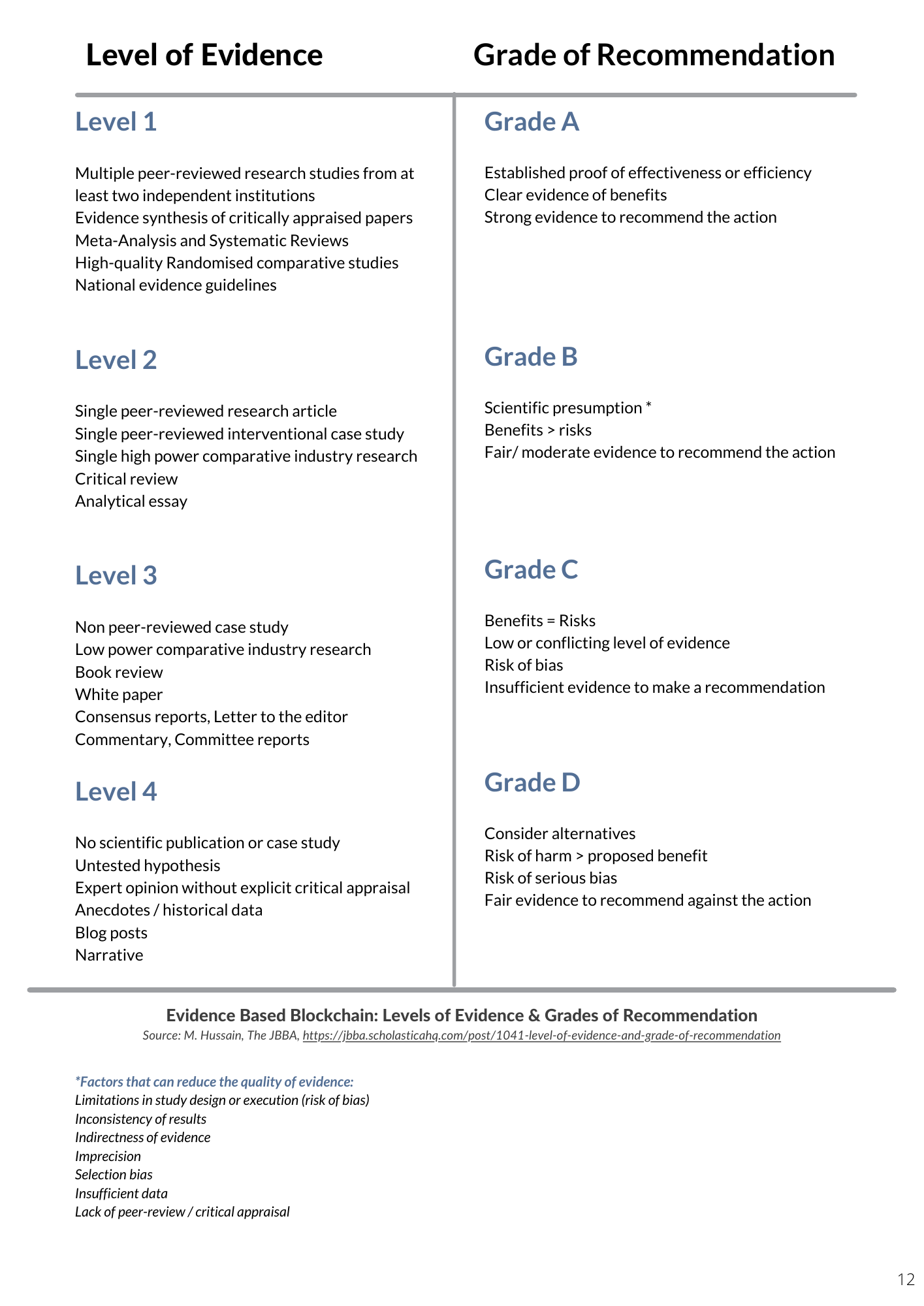
The Roadmap’s framework distinguishes the strength of the evidence from the recommendation made from it. These summaries sit alongside the original table and its full qualifications.
Grades A–D separately describe the basis for recommending an action, weighing evidence, benefits, risks and bias. A level of evidence should not be treated as an automatic recommendation grade.
Professor Naseem Naqvi distinguishes immediate activity and results from longer-term changes in people’s lives. The ambition is for work with demonstrated impact to become a Point of Reference (POR) for other people and organisations.
Source: Professor Naqvi’s explanation of outputs, outcomes, impact and Point of Reference ↗.
Original publications by Professor Naseem Naqvi and colleagues, video tutorials, interviews, research citations and case studies—including Hannah Rudman’s agri-farming research and the UNJSPF digital identity paper.
Browse publications, tutorials and case studies →COMMUNITY
CEBB supports an international network of researchers and institutional members, creating opportunities for collaboration, dissemination and interdisciplinary exchange.
Meet BBA Fellows →